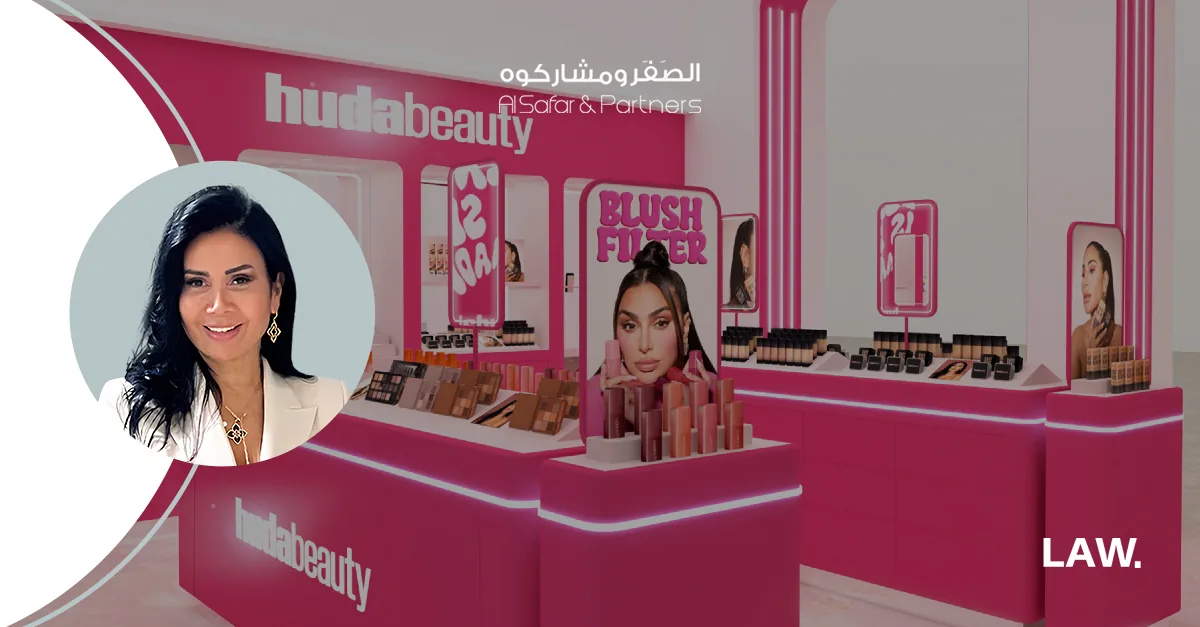
In a decisive power move, beauty titan Huda Kattan has completed a full buyback of Huda Beauty, regaining 100% ownership of the billion-dollar empire she launched in 2013. The transaction—rumored to be one of the largest founder-led buybacks in beauty history —marks the end of private equity involvement and solidifies Kattan’s unrestrained authority over the Dubai-based brand that revolutionized global beauty culture.
The Deal: Unshackling from Investor Influence
Kattan originally sold a minority stake to TSG Consumer Partners in 2017 to fuel expansion, but industry insiders suggest the partnership had grown restrictive amid diverging visions for the brand’s future. While financial terms remain undisclosed, sources close to the deal describe it as a "clean break," with Kattan leveraging a mix of retained earnings, strategic debt financing, and personal capital to reclaim TSG’s shares.
"This wasn’t just a financial transaction—it was a reclamation of identity," says a mergers & acquisitions specialist familiar with the negotiations. "Founder buybacks of this magnitude signal a rejection of diluted control. Huda’s taking the wheel back, and the industry is watching."
Legal and Strategic Implications
The buyback’s complexity lay in untangling years of investor agreements, preferred share structures, and governance clauses. Legal analysts highlight the meticulous drafting required to ensure Kattan exited all obligations while retaining key assets, from IP to supply chain partnerships.
"These deals are chess games," explains a corporate restructuring attorney. "You’re negotiating exit triggers, non-compete waivers, and often rewriting the company’s entire governance framework. For a founder, it’s the ultimate declaration of independence."
The Founder-Led Revival: A Beauty Industry Trend
Kattan’s move aligns with a broader revolt against investor-driven growth at all costs. In recent years, high-profile founders like Glossier’s Emily Weiss and Gymshark’s Ben Francis have similarly wrested back control, prioritizing brand authenticity over hyper-scaling. For Kattan—who stepped down as CEO in 2020 only to return in 2023—the buyback underscores her hands-on resurgence.
"Huda Beauty’s DNA is rooted in Huda’s personal connection to her community," says a former executive. "Investors pushed for aggressive retail expansion and product diversification, but her vision has always been about cult relevance over ubiquity."
What’s Next? Speculation and Strategy
With full ownership, Kattan gains flexibility to:
- Pivot the brand’s direction (think: refocusing on hero products like the #FauxFilter foundation or doubling down on Middle Eastern market dominance).
- Restructure leadership (potential exits for investor-aligned hires, new creative appointments).
- Explore long-term options (a future IPO, strategic sale to a luxury conglomerate, or generational family succession).
Industry watchers note that founder-led companies often see renewed innovation—but also heightened risk. "The upside is agility; the downside is the weight of sole accountability," warns a beauty financier. "Huda’s betting on herself in a volatile market."
The Message to the Industry
Kattan’s move is more than a business headline—it’s a manifesto. In an era where private equity and venture capital dominate beauty, her buyback champions founder sovereignty. "This isn’t just about ownership," says a rival brand CEO. "It’s about who gets to define a brand’s legacy."
As Huda Beauty enters its next chapter, one thing is certain: Kattan’s uncompromising control will shape its future—on her terms.
For more information or legal support, contact Al Safar and Partners in Downtown Dubai, UAE, today on 0527583267 - reception@alsafarpartners.com - https://www.alsafarpartners.com/
Written By: Ms. Luminita Rizescu - Partner and specialized in Retail Law, Commercial and Rental Disputes, and Will drafting at Al Safar and Partners Law Firm.